
Teach Professionally
Learn proven methods to lead CPR, AED, and First Aid classes.
For parents, teachers, coaches, employees, and anyone who wants to be prepared.
View courseAHA BLS certification for nurses, EMTs, dental staff, medical assistants, and healthcare workers.
View courseStart online and complete the skills check in person.
RegisterTraining for childcare providers, preschool staff, and daycare professionals.
View courseOn-site CPR, First Aid, and BLS for businesses, schools, churches, and organizations.
Learn moreCPR INSTRUCTOR COURSE
Move from student to teacher. Learn to present lifesaving information clearly, demonstrate skills properly, coach students, evaluate performance, and run a CPR, AED, and First Aid classroom with confidence.
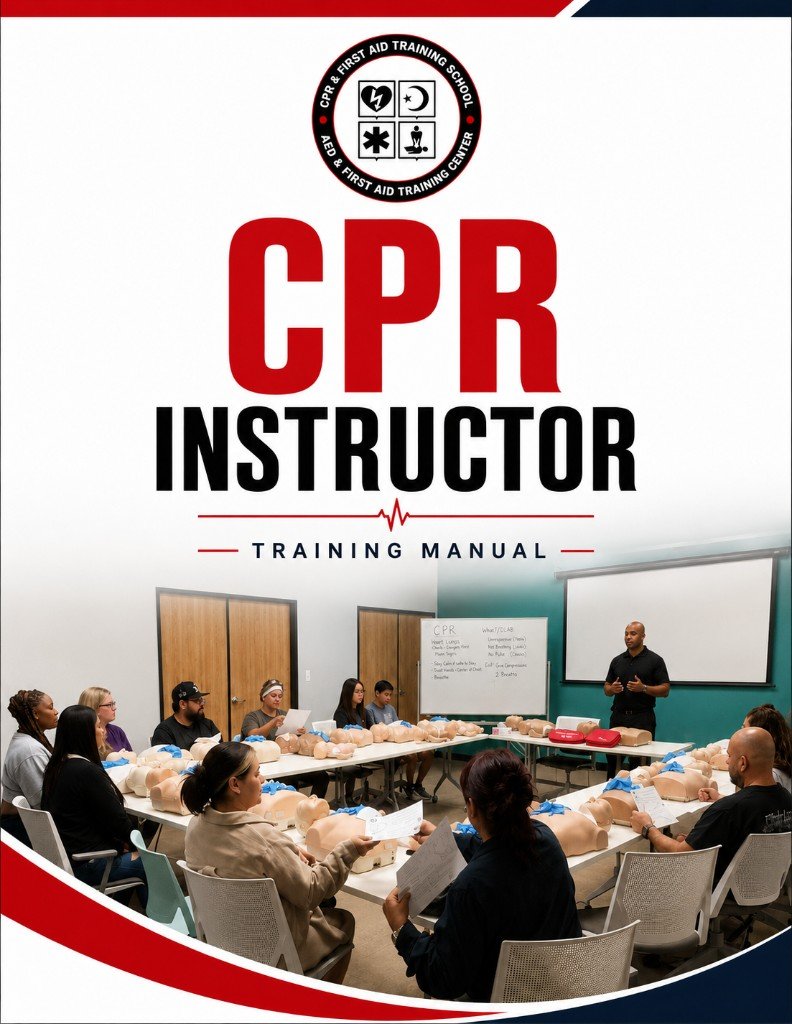
Learn proven methods to lead CPR, AED, and First Aid classes.
Demonstrate, coach, correct technique, and evaluate students.
Build the foundation to teach independently or start a training business.
Multiply your impact by training others to save lives.
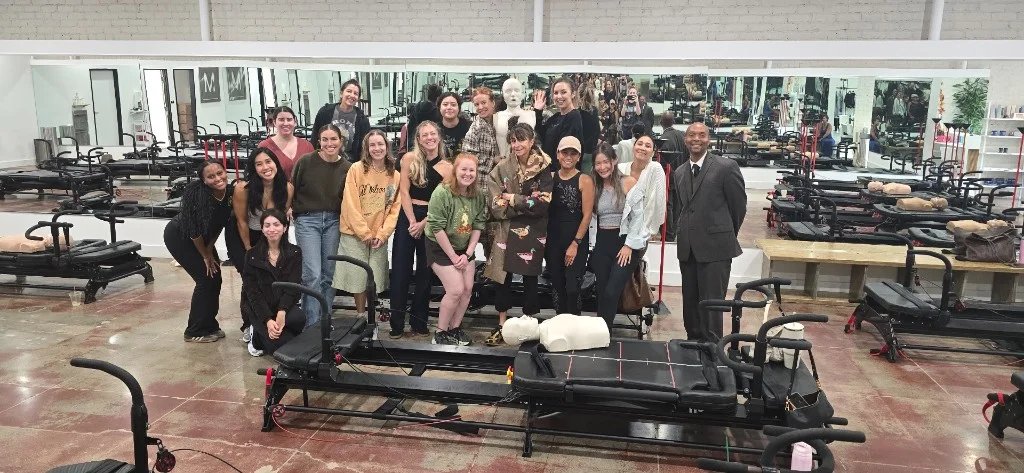
This train-the-trainer course focuses on how to teach CPR effectively—not just how to perform it. You’ll learn to present, demonstrate, coach, and evaluate with confidence.
Audience
Instructor Candidates
Prerequisite
Provider Certification
Class Format
Classroom / Blended
The CPR Instructor Course is designed for individuals who want to teach CPR, AED, and First Aid classes professionally. This course helps instructor candidates learn how to present lifesaving information clearly, demonstrate skills properly, coach students during practice, evaluate student performance, and manage a classroom with confidence.
At CPR and First Aid Training School, our CPR Instructor Course is built for people who are ready to move from being a student to becoming a teacher. Knowing CPR is important, but teaching CPR requires additional skills. A good instructor must understand the material, explain it in a way students can understand, demonstrate each skill correctly, correct mistakes respectfully, and help students feel confident during emergency response training.
This course is ideal for healthcare professionals, workplace safety trainers, school staff, childcare trainers, fitness professionals, security professionals, emergency response personnel, business owners, and anyone who wants to teach CPR and First Aid classes as part of their career, organization, or training business.
A CPR Instructor Course is a train-the-trainer program that prepares qualified candidates to teach CPR, AED, and First Aid courses to students. Instead of focusing only on how to perform CPR, the instructor course focuses on how to teach CPR effectively.
Instructor candidates learn how to explain emergency care concepts, demonstrate hands-on skills, lead practice sessions, use training equipment, follow course outlines, evaluate students, and create a positive learning environment. The course also covers classroom management, student communication, skills testing, paperwork, course setup, and instructor responsibilities.
CPR instructors play an important role in community safety. Every class they teach gives more people the ability to recognize emergencies, call for help, start CPR, use an AED, control bleeding, assist with choking, and respond to common medical emergencies. Becoming an instructor allows a person to multiply their impact by training others.
The CPR Instructor Course is recommended for individuals who want to teach CPR, AED, First Aid, Basic Life Support, or related safety courses. This may include nurses, EMTs, paramedics, medical assistants, dental professionals, school employees, daycare providers, workplace safety coordinators, lifeguards, security officers, fitness trainers, coaches, and people who want to start or expand a training business.
This course is also a strong option for business owners who want to offer safety training to employees or clients. Many organizations need CPR and First Aid training for compliance, workplace readiness, childcare licensing, healthcare employment, construction safety, fitness instruction, and general emergency preparedness.
Instructor candidates should be comfortable speaking in front of others or willing to develop that skill. They should also have strong CPR skills and a desire to help students learn. A good instructor does not need to be perfect on the first day, but they should be professional, patient, dependable, and willing to practice.
Students interested in becoming CPR instructors should generally have a current provider-level certification in the course they want to teach. For example, a person who wants to teach CPR and AED should already understand CPR and AED skills as a provider. A person who wants to teach BLS should have strong BLS knowledge and skills.
Depending on the certifying organization or training center requirements, instructor candidates may need to complete an application, take an instructor essentials course, attend an instructor-led training session, complete skills verification, and be monitored teaching a course before receiving full instructor approval.
Requirements can vary depending on the program, certification type, and training organization. Students should check with CPR and First Aid Training School before enrolling so they understand the exact steps needed for their instructor pathway.
The CPR Instructor Course covers the knowledge, skills, and teaching methods needed to lead CPR and First Aid classes. Students learn how to prepare for a class, organize materials, set up equipment, introduce lessons, demonstrate skills, guide practice, correct technique, evaluate students, and close out the course properly.
A major focus of the course is teaching adult learning methods. Adults learn best when information is clear, practical, and connected to real-life situations. Instructor candidates learn how to keep students engaged, explain why each skill matters, and help students understand how to respond during emergencies.
The course also covers how to teach CPR skills step by step. Instructor candidates practice explaining chest compressions, rescue breaths, AED use, choking response, recovery position, scene safety, emergency action steps, and other key topics. They also learn how to demonstrate these skills so students can see the correct technique before practicing.
Another important part of the course is student evaluation. Instructors must know how to determine whether a student can perform the required skills. Instructor candidates learn how to observe students carefully, provide helpful feedback, document completion, and maintain the standards of the course.
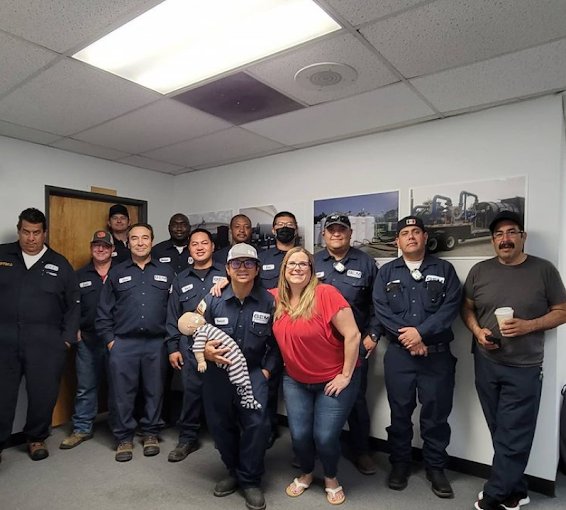
Teaching CPR requires more than reading from a manual. Students need to see the skills, practice the skills, and receive correction when needed. Instructor candidates learn how to lead hands-on practice in a way that is organized, safe, and encouraging.
For CPR, students must understand hand placement, compression depth, compression rate, full chest recoil, minimizing interruptions, rescue breathing, and how to continue care until help arrives. The instructor must be able to recognize common mistakes and correct them in a clear and respectful way.
For AED training, the instructor must teach students how to turn on the device, follow voice prompts, place pads correctly, clear the patient before shock delivery, and continue CPR after the shock or no-shock message. Students often feel nervous about AED use, so the instructor’s job is to make the process simple and understandable.
For First Aid, instructors must teach students how to respond to injuries and sudden illness. This may include bleeding control, burns, choking, allergic reactions, seizures, fainting, stroke warning signs, heart attack warning signs, diabetic emergencies, heat emergencies, cold emergencies, and other common situations.
One of the most important parts of becoming a CPR instructor is learning how to manage the classroom. A class may include healthcare workers, parents, teachers, construction workers, childcare providers, security guards, office employees, or people who have never taken CPR before. Each group may have different needs and comfort levels.
Instructor candidates learn how to create a professional and supportive learning environment. This includes starting class on time, explaining expectations, keeping students focused, answering questions clearly, managing practice stations, and making sure every student has a chance to participate.
Some students may feel nervous about performing CPR or being tested. A good instructor helps reduce that nervousness by explaining the process, encouraging practice, and giving feedback in a positive way. The goal is not to embarrass students. The goal is to help them improve.
Confidence is a major part of emergency training. Students are more likely to act in a real emergency when they have practiced the skill and believe they can do it. CPR instructors help build that confidence.
Instructor candidates should be prepared to practice both teaching skills and emergency care skills. This may include demonstrating CPR, using a training AED, explaining First Aid topics, leading a short lesson, correcting student technique, setting up manikins, cleaning equipment, giving instructions, and participating in role-play teaching scenarios.
Candidates may be asked to teach a section of the course in front of an instructor or group. This helps them practice speaking, timing, organization, and student interaction. The goal is to help future instructors become comfortable before they teach their own classes.
Instructor candidates should also practice giving feedback. Feedback should be clear, specific, and respectful. Instead of simply saying a skill is wrong, a good instructor explains what needs to change and gives the student another chance to practice.
CPR instructors have important responsibilities. They must teach accurate information, follow course guidelines, use proper equipment, maintain professionalism, protect student records, submit required paperwork, and make sure students meet completion requirements before issuing certification.
Instructors must also stay current. CPR guidelines and course materials may change over time, so instructors must continue learning and updating their skills. Teaching lifesaving skills requires commitment to quality and accuracy.
Professional instructors should arrive prepared, communicate clearly, maintain clean equipment, manage class time, and treat every student with respect. Students should leave class feeling that the training was organized, useful, and worth their time.
Many people take a CPR Instructor Course because they want to teach independently or start a CPR training business. CPR and First Aid training is needed by many industries, including healthcare, childcare, education, fitness, construction, security, transportation, and corporate workplace safety.
A CPR instructor may teach public classes, private group classes, workplace trainings, school staff trainings, childcare provider trainings, fitness center trainings, or healthcare provider courses. Some instructors teach part-time, while others use CPR training as a full business.
Starting a CPR training business requires more than becoming an instructor. It may also involve scheduling classes, marketing services, purchasing equipment, managing student registrations, collecting payments, issuing certificates, maintaining records, and building relationships with local businesses.
This course gives students the teaching foundation needed to begin that journey. With the right preparation and professionalism, becoming a CPR instructor can create both career opportunities and community impact.
Becoming a CPR instructor allows you to teach skills that can save lives. Every student you train may one day help a family member, coworker, patient, child, friend, or stranger during an emergency. The impact of one instructor can reach hundreds or even thousands of people over time.
This course is also a valuable professional step. CPR instructors are needed in many communities because businesses, schools, healthcare workers, and childcare providers often need certification or renewal. Teaching CPR can create opportunities for extra income, career growth, community service, and business development.
For people who enjoy helping others, teaching CPR can be rewarding work. You are not just teaching a class. You are giving people the knowledge and confidence to respond when someone needs help.
CPR and First Aid Training School offers CPR Instructor training for individuals who are ready to teach CPR, AED, First Aid, BLS, or related safety courses. Whether your goal is to train employees, teach within your organization, become an independent instructor, or start a CPR training business, this course can help you take the next step.
Students who complete the CPR Instructor Course should leave with a stronger understanding of teaching methods, classroom management, student evaluation, skills demonstration, course organization, and instructor responsibilities.
If you are ready to move from student to instructor, CPR and First Aid Training School can help you begin the process of becoming a confident, professional CPR instructor.
“This course gave me the confidence to teach my own classes. The teaching practice was invaluable.”
“I started my own CPR training business after this course. Great foundation and guidance.”
“Learned how to manage a classroom and evaluate students fairly. Highly recommend.”
Call (562) 269-0775 or reserve your seat today. Move from student to instructor.