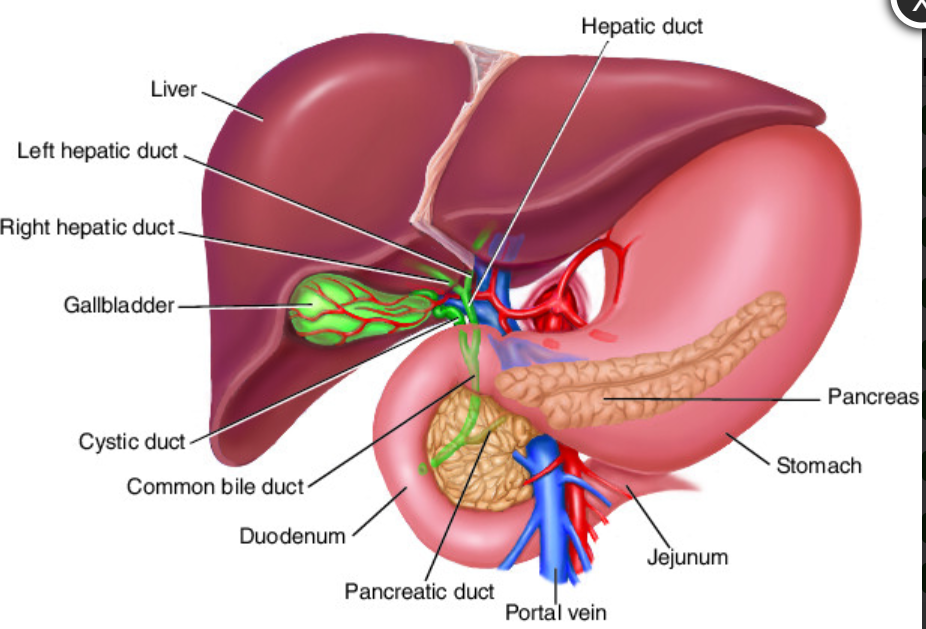
Your Body’s Superhero Factory: The Amazing Liver
Think of your body as a bustling city. The heart is the pumping station, the brain is the city hall, and the blood vessels are the highways. So, what’s the liver? The liver is your city’s powerhouse, recycling center, warehouse, and security headquarters—all rolled into one. It’s the ultimate multi-tasker, working 24/7 to keep you alive and well.
Here’s a Quick List of the Liver’s Superhero Jobs:
- Detoxifier: It acts like a super-filter, cleaning your blood of harmful stuff—from old chemicals your body makes to things you eat or drink.
- Food Processor: It takes the food you digest and breaks it down, stores some for later, and turns the rest into energy your body can use right away.
- Vitamin & Mineral Bank: It stores important vitamins (like A, D, E, K, and B12) and iron, releasing them when your body needs a boost.
- Bile Factory: It makes a greenish liquid called bile. Bile is like dish soap for your food—it breaks down fats so your body can absorb them.
- Protein Maker: It builds crucial proteins that help your blood clot when you get a cut and that carry other substances around your body.
Five Secret Liver Jobs You Probably Didn’t Know:
- The Body’s Thermostat: The liver helps generate body heat. A huge amount of your warm body temperature comes from the hard chemical work your liver is constantly doing.
- Hormone Traffic Controller: It helps manage your hormones. When your body has had enough of a certain hormone (like estrogen or thyroid hormone), the liver carefully breaks it down and removes it so things don’t get out of balance.
- The Blood Volume Manager: The liver makes a lot of the proteins that keep water in your bloodstream. This helps maintain your blood pressure. If your liver gets sick, fluid can leak out into your belly or ankles, causing swelling.
- The Immunity Assistant: It’s part of your defense team! Special cells in the liver act like guards, capturing and destroying bacteria and other bad guys that might have slipped in from your intestines.
- The “Internal Clock” Helper: It helps regulate your sleep-wake cycle (circadian rhythm) by processing substances and influencing hormones that tell your body when it’s day and night.
Let’s Explore the Liver’s World in Detail
What System Does the Liver Work In?
The liver is a key player in the Digestive System. But it’s so important that it also works closely with the Circulatory System (your blood highways), the Endocrine System (your hormone text messages), and the Immune System (your body’s army). You can think of it as “The Central Processing Plant” for your entire body. Everything you absorb eventually gets sent to the liver for sorting, processing, and distribution.
What Does This “Processing Plant” Actually Do?
1. It’s the Master Chemist & Detoxifier.
Imagine you eat a piece of pizza. Your intestines break it down, and the good stuff gets absorbed into your blood highway. But this blood, before going to your heart and the rest of your body, makes a mandatory pit stop at the liver. Why? For inspection and processing!
- The liver filters out harmful things. This includes natural waste (like old, broken-down red blood cells), medicines (like Tylenol), caffeine, and any toxins. It has special enzymes—tiny molecular tools—that can safely break down these substances so they can be flushed out in your pee or poop.
- Example: Think of the liver like a water filter in your fridge. Dirty water goes in, the filter catches the yucky stuff, and clean water comes out. Your liver does this for your blood, constantly.
2. It’s the Energy Storage & Distribution Center.
Your body runs on a type of sugar called glucose. After you eat, your blood is full of glucose. The liver soaks up the extra and stores it as glycogen (think of it as “glucose in a box”). Between meals, when your blood sugar drops, the liver quickly opens the boxes, turns the glycogen back into glucose, and releases it into your blood to keep your energy steady.
- Example: It’s like charging a power bank. When you eat (plug in), the liver charges up its glycogen power bank. Between meals (unplugged), it uses that stored power to keep your phone (your body) from dying.
3. It’s the Bile Factory.
The liver makes bile, a greenish-yellow liquid. Bile is stored in a small sack nearby called the gallbladder. When you eat fatty food (like a cheeseburger), the gallbladder squirts bile into your intestines.
- Job of Bile: Fats and oils don’t mix with water (your blood). Bile acts like a soap that breaks big globs of fat into tiny droplets. This allows your body to digest and absorb the fat and the important vitamins in it (Vitamins A, D, E, K).
- Example: Putting dish soap on a greasy pan. The soap (bile) breaks up the grease (fat) so it can be washed away (absorbed).
4. It Builds Important Body Parts.
The liver is a construction site for vital proteins.
- It makes albumin, a protein that acts like a delivery truck in your blood, carrying hormones and nutrients.
- It makes clotting factors, which are like emergency repair putty. When you get a cut, these factors rush to the spot and create a net (a clot) to catch blood cells and stop the bleeding. Without them, you’d bleed from a tiny scratch.
Fueling Your Superhero Factory: Foods for a Happy Liver
Just like any factory, the liver needs the right raw materials to do its best work. Eating colorful fruits and vegetables gives it the vitamins, minerals, and antioxidants (its protective gear) it needs.
Here are some liver-loving foods and why they help:
- Leafy Greens (Spinach, Kale, Arugula): These are like a spa treatment for your liver. They contain chlorophyll, which helps neutralize toxins, and folate (a B-vitamin) that helps with repair.
- Cruciferous Vegetables (Broccoli, Brussels Sprouts, Cauliflower): These are the liver’s best friends. They have a compound called sulforaphane that boosts the liver’s detox enzymes. Think of them as upgrading the liver’s filter system to a premium model.
- Beets: These are fantastic. They contain antioxidants called betalains that reduce inflammation and betaine, which helps the liver cells get rid of fat.
- Berries (Blueberries, Cranberries): Packed with antioxidants like vitamin C and anthocyanins, they protect liver cells from damage—like putting a protective shield around the factory.
- Citrus Fruits (Grapefruit, Oranges, Lemons): Full of vitamin C and antioxidants, they help in the production of detoxifying enzymes. The bitter compound in grapefruit (naringenin) is especially good at helping the liver burn fat.
- Avocados: These are rich in healthy fats and glutathione, a master antioxidant that the liver uses directly to filter out bad stuff.
- Garlic & Onions: They contain sulfur, which activates liver enzymes, and selenium, a mineral that helps in detoxification. They’re like flipping the “ON” switch for the liver’s cleaning crew.
Key Vitamins & Minerals for the Liver:
- B-Vitamins (Especially B12 & Folate): These are like the factory’s skilled workers, essential for processing fats, proteins, and carbohydrates.
- Vitamin C & E: These are the antioxidant bodyguards. They protect the delicate liver cells from free radicals—the harmful byproducts of all the chemical work it does.
- Magnesium: A mineral that is crucial for hundreds of the chemical reactions the liver performs every second.
The Golden Rule: Drinking plenty of water is just as important as eating these foods! Water is the river that carries the processed waste away from the liver and out of your body.